Posts from the category Travel
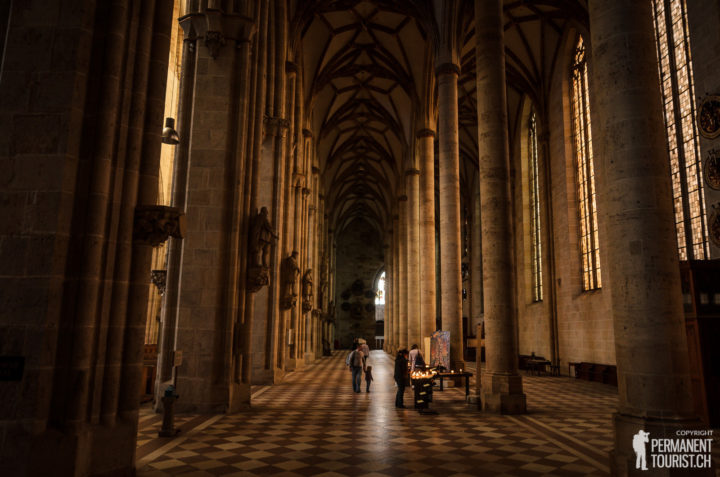
Ulm Minster
Published in
I’d all but forgotten that we’d even visited Ulm, until I came across a set of photos of the interior of the minster.
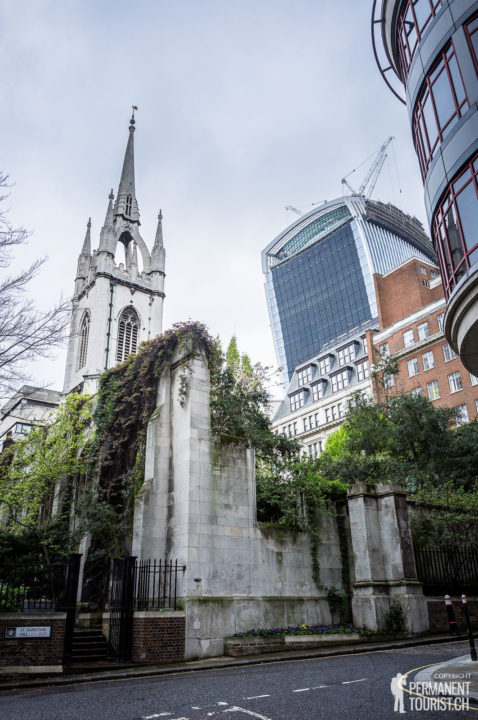
St. Dunstan-in-the-East
Published in
St. Dunstan-in-the-East was a church in the City of London, built in 1100, extended in the fourteenth century and repaired just over thirty years before the Great Fire of London, after which a large steeple to a design by Sir Christopher Wren was added. Despite largely surviving the fire, the structure was found to be unsafe in…
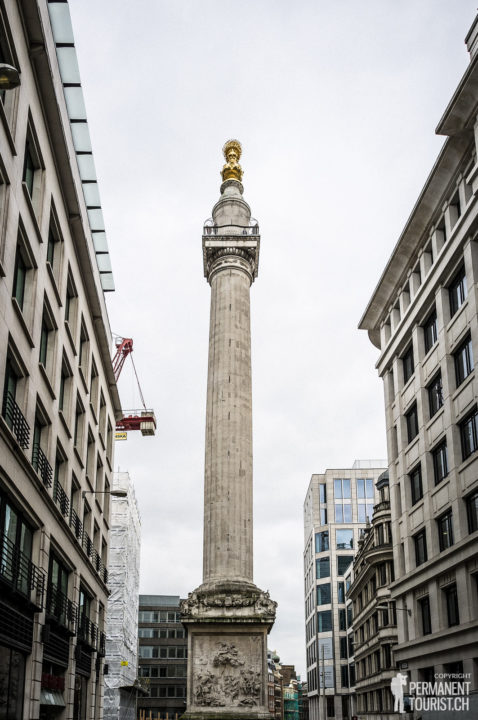
The Monument, London
Published in
Although there are plenty of monuments (with a small “m”) around London, there is only one Monument (with a large “M”): that to the Great Fire of London. The Great Fire of London, which raged through 400 acres of the city within the original Roman walls in September 1666, destroyed almost 90% of the city and left most of…
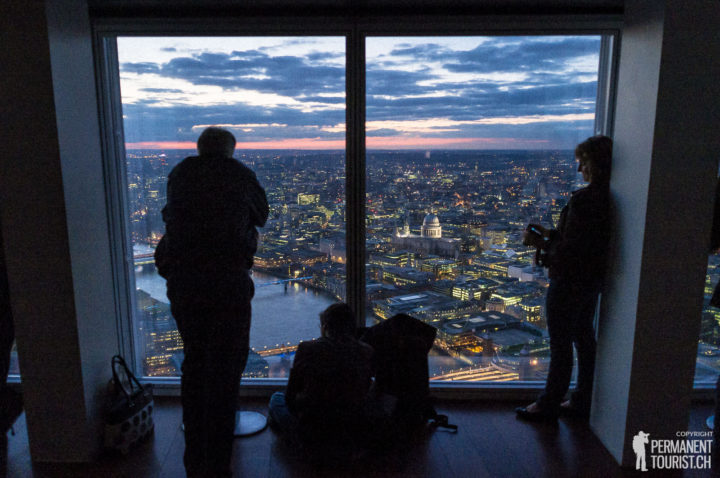
The View from The Shard
Published in
Visitors to London can buy tickets to ascend The Shard by express lift and enjoy the views across London from near the top of Western Europe’s tallest building. I received a ticket as a gift last year and so when I was in London a few weeks ago, I organized to visit. The view from the…
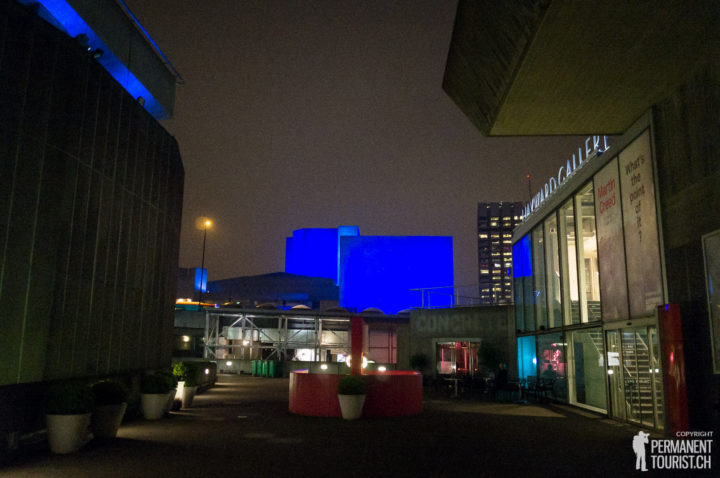
Southbank Centre
Published in
The Southbank Centre has long been one of the places to which I return when in London, thanks to a proliferation of arts venues, large spaces free of traffic, plenty of street performers, and a wide range of nooks, crannies, corners and walls in which light – both natural and artificial – are constantly changing. Although…
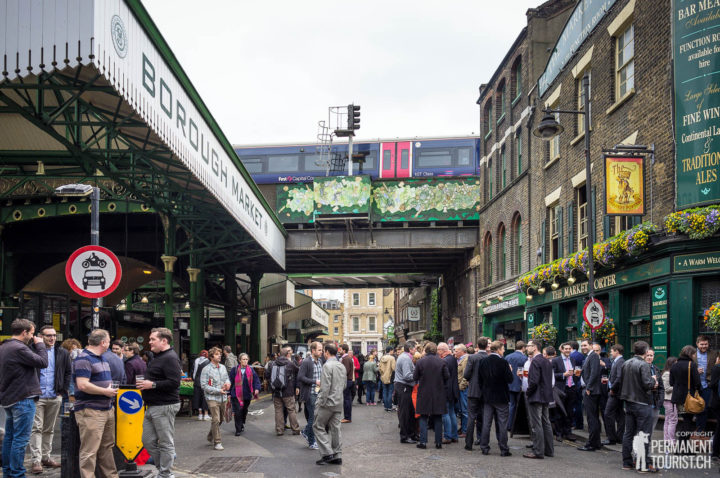
Borough Market
Published in
The marketplace beneath the big railway viaduct near The Shard is Borough Market: one of London’s oldest. According to its own self-promotion, the market dates back to the twelfth century, when it was located at the southern end of the original London Bridge. Traders travel from far and wide to visit the market; a close…
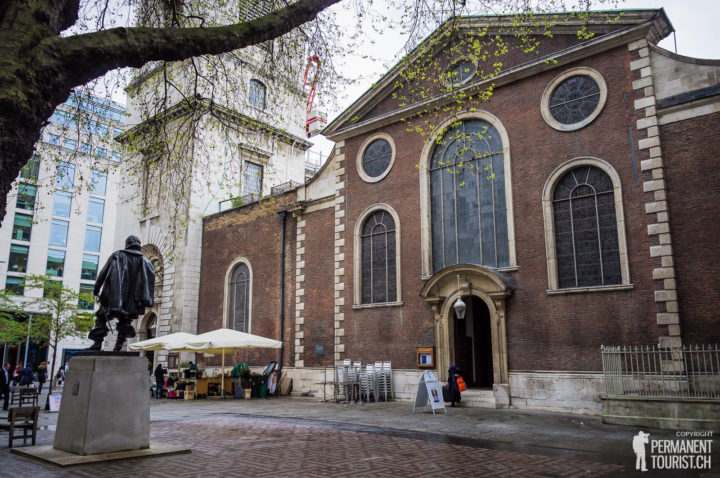
St. Mary-le-Bow
Published in
The church of St. Mary-le-Bow in London sits halfway between St. Paul’s Cathedral and the Bank of England, on the historic road known as Cheapside. The church is widely accepted by many Londoners as being the true centre of London: tradition indicates that in order to be a true “Cockney” (Londoner), one must have been born…
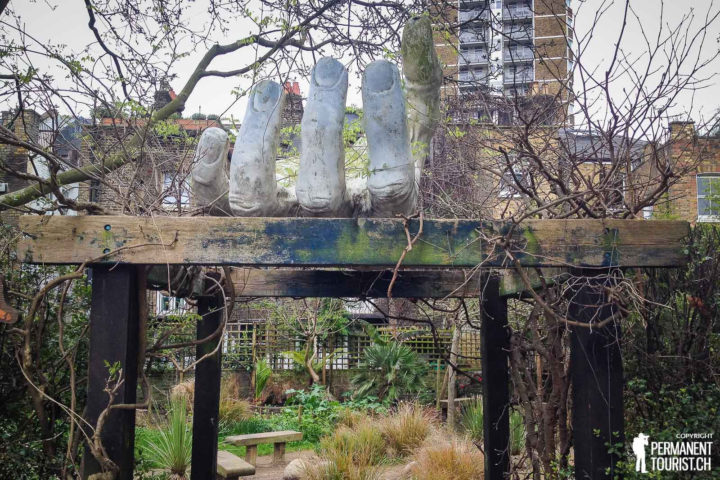
Bonnington Square Garden, Vauxhall
Published in
The plot of land which has become Bonnington Square Gardens was cleared by a bomb during the Second World War and stood empty until the 1970s, when the local council made a weak attempt at turning it into a playground, before abandoning it to wild grass and stinging nettles. The council were reminded of its…
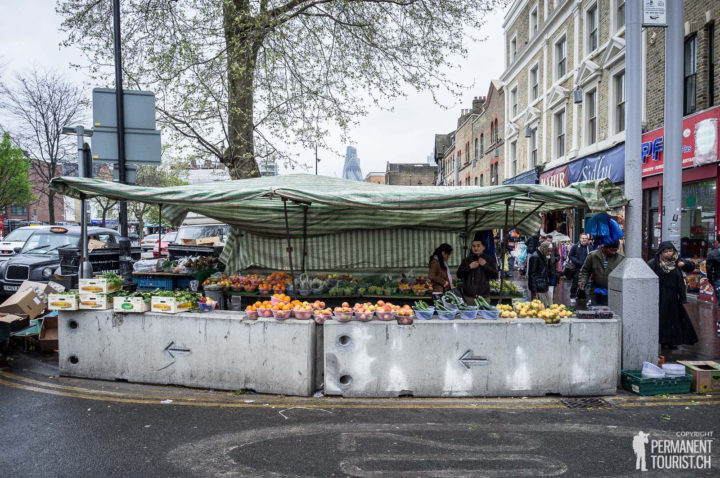
Whitechapel Road
Published in
There’s plenty of history within a short distance of this part of Whitechapel; the next on my short list is at the junction of Fulbourne Road, in the midst of the Whitechapel Market. The upstairs rooms of a building adjacent to the thriving street market on this junction – now a clothing store with a…
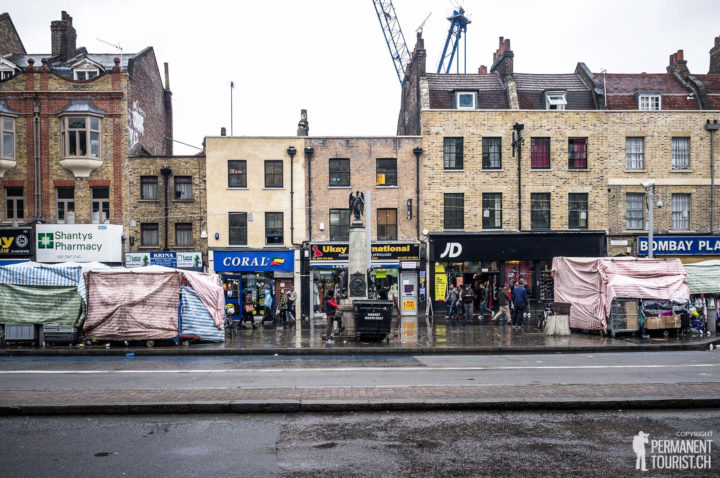
259 Whitechapel Road
Published in
Whitechapel is best known in history for scenes of violence, crime and poverty: from Jack the Ripper in the Victorian era to the Kray twins in the 1960s. Founded in the twelfth century, Whitechapel was historically a poor and working-class neighbourhood where the less salubrious businesses in the city found their homes; tanneries, breweries and…
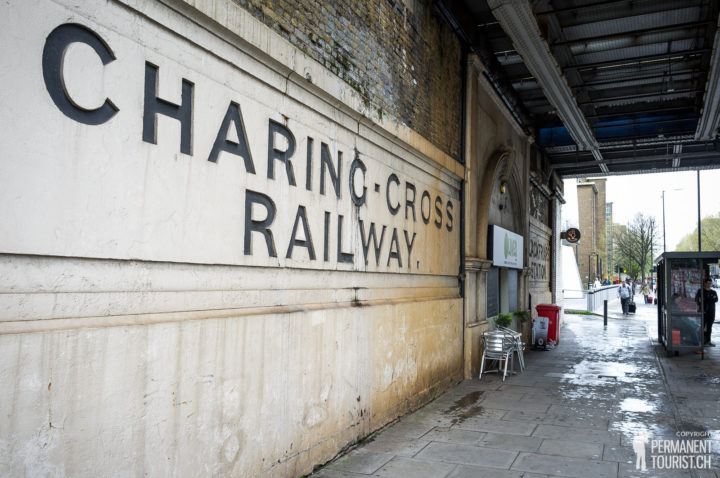
Blackfriars Road station
Published in
What remains of the original Blackfriars station on the Charing Cross railway in London – this signage – was restored in 2005, and is clearly visible within a short distance of the current Tube station at Southwark. The site of the station, now referred to as Blackfriars Road in order to avoid confusion with the…
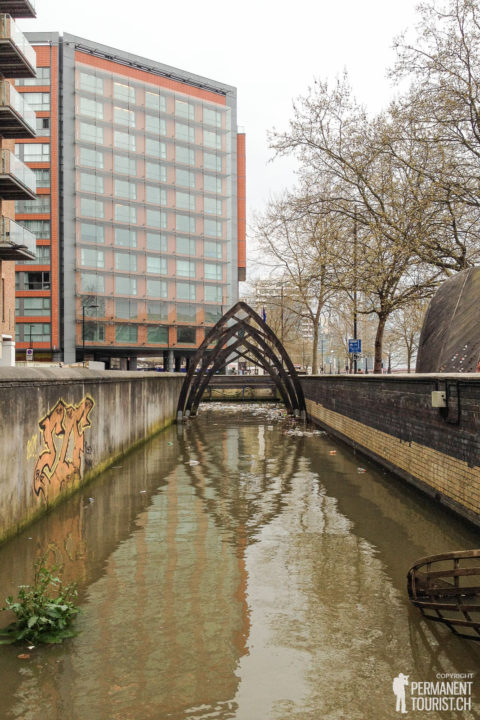
White Hart Dock, London
Published in
Walk along the north side of the river Thames at Lambeth and only the comparatively new wooden boat sculptures will even make you notice White Hart Dock. It’s an enclosed pool of tidal water, fed from the river, which dates back to the 14th century. Now filled with little else than rubbish, it was once…
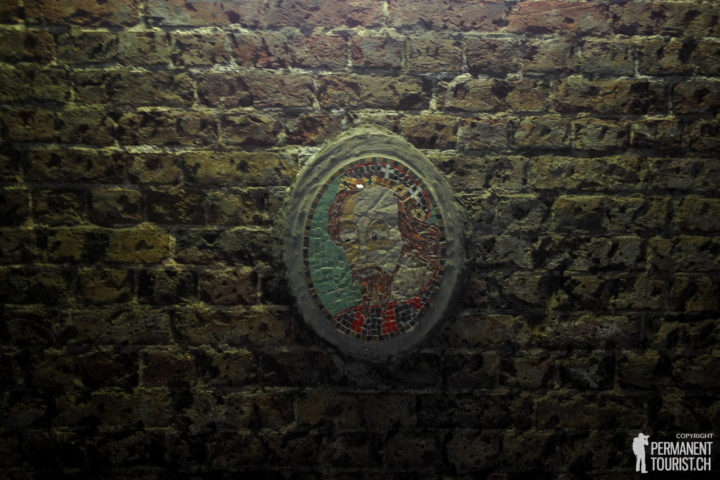
Black Prince Road
Published in
I have spent a lot of time walking around London over the past week, with the intention of finding new sights and things of interest instead of just repeating the same old sights I’ve seen and visited a million times before. One of them was unexpected, as I walked from Stockwell back to the West…
At the heart of the Léman
Published in
Léman is the original (some would say “correct”) name for what most of the rest of the world knows as Lake Geneva. It’s one of the most varying beautiful and vibrant regions of Switzerland, with a seemingly endless range of castles, vineyards, lakes and mountains. The local tourism organizations certainly had a lot to work…
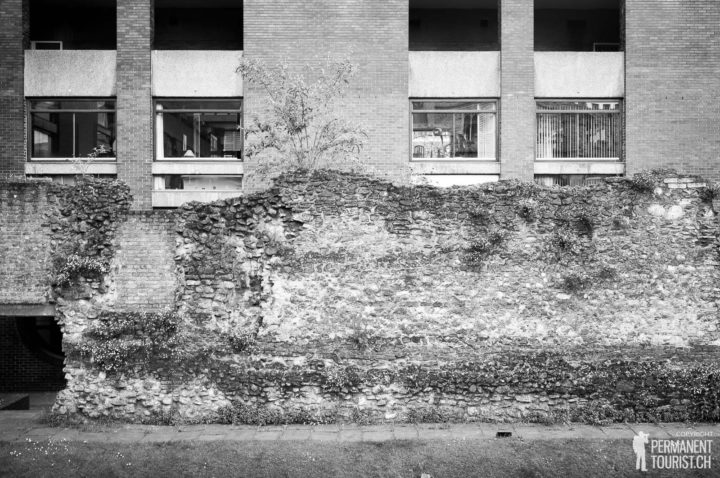
A wall amongst concrete
Published in
London is so big, that it’s difficult to know what to see when visiting for just a short time. I visited in order to take some documentary “street photographs” in summer 2012 and amongst the places I visited was the Barbican Estate: a largely brick and concrete, Brutalist estate in the City of London. I was repeatedly drawn…
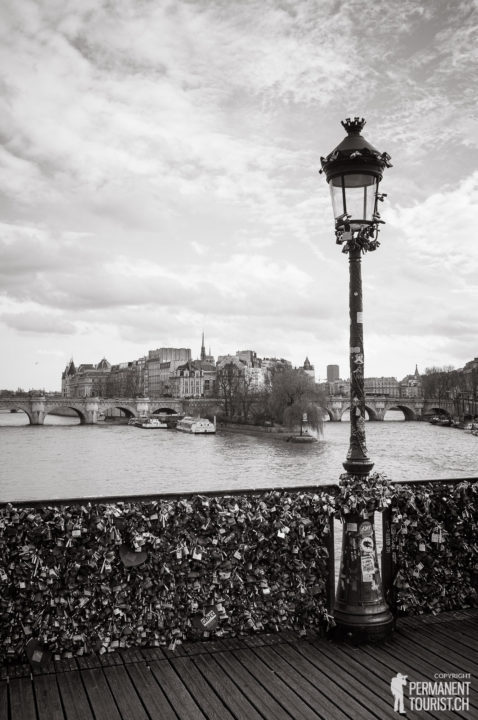
Sad attempt at romance
Published in
Compare and contrast the trends on the Pont des Arts bridge in Paris. The first of these photos was taken in 1996 or 1997 and the second was taken last weekend. These days, the lattices (and some of the old-fashioned street lights) along both sides of the bridge are covered completely in personalized padlocks, attached…
Grindelwald in the “good old days”
Published in
Travellers, historians and winter sport fanatics (and those of us who are less fanatic but still enjoy the mountains) will love this old film by Ronald Haines, shot in 1956 in the Swiss mountain resort of Grindelwald and on the surrounding mountains. (Link via Grindelwald Tourism on Facebook.)
Mountains of Valais
Published in
A wonderful time-lapse sequence from the southern borders with Italy, ranging from the Nufenen Pass to Zermatt and the Matterhorn. Film maker Christian Mülhauser writes: Through fog, rain, snow and even wind gusts of up to 120 km/h I am happy to have completed this project. Mountains of Valais is by far my most time…