Posts about The internet
The internet plays a huge role in my life, from a place to share photos and videos, to a career, to a means of communication linking me to friends and family all over the world.
Flickr settings fields plugin for WordPress
Published in
A technical goal for 2016 is to make more WordPress plugins, and to submit them to the official WordPress plugin repository, so that other users can benefit from them. The next addition to the set of plugins I’ve contributed is a simple one to add fields to the Settings » Media screen in the WordPress backend for Flickr…
Tracking click events using Google Analytics
Published in
A colleague from the WordPress Bern meetups asked for advice on how to track clicks on certain page elements on his website. Having looked into this for a few different purposes over the past year, it was quick and easy to knock up a simple jQuery plugin for the purpose, which speaks to Google Analytics. The principle…
Sicherheit rund um WordPress
Published in
Notizen aus dem letzten Treffen der Berner WordPress-Gruppe. Das nächste Treffen (Thema WordPress Themes) findet morgen Donnerstag Abend statt. Sicherheit rund um WordPress – 24.02.2016
Web developers: don’t depend on dependencies
Published in
Building a website or app based on third-party code and solutions may work… but what happens when that code breaks or becomes unavailable?
Store your design assets in one place with Lingo
Published in
The new Lingo app (from The Noun Project) allows you to collate and manage your design assets in one place.
EMs and REMs and CSS media queries
Published in
The key principles behind the complex relationship between pixel-based and relative sizing units in CSS for web design.
Vertical rhythm in web typography
Published in
…doesn’t have anything to do with jumping up and down to music. Sadly. Typographic principles are just as valid in designing for the web as they are in designing for traditional media. Through the application of a very simple mathematical principle, a design becomes more peaceful and the visitor is calmed by a subliminally identifiable pattern. (Our…
There is no perfect dropdown
Published in
Andy Budd made a very important point during episode 93 of The Web Ahead podcast. In it, he’s answering a question raised about where a less-experienced web designer can find resources to see what the current “best practices” are for site element design.
HTTP/2 allows you to separate your CSS, JavaScript and other template resources into individual files, without running into problems with multiple requests.
The CSS :not() selector
Published in
One of the best CSS tips I’ve come across in recent months is the :not() selector. Rather than having to define a set of rules for an element, then re-defining new rules for the element when it has a certain class or attribute, you can use :not() to be more specific in the first place.…

Technical case study: !frappant
Published in
My employer re-branded recently, which meant a new corporate identity and a new website using Zurb Foundation, CSS Flexbox and TYPO3.
I reported an issue to the WordPress Core team about eighteen months ago, noting that the function which creates thumbnails of larger images in the CMS strips the EXIF data from these smaller files. This means that not only is geo information lost, but so are keywords and copyright information set in the file using…
Multilingual list of Swiss localities
Published in
We could do with a comprehensive, multilingual list of Swiss localities for work projects, so after a bit of digging and a suggestion from Habi, I came across a reference on which to base the list. After tidying it and converting it to tab-separated format (for optimal use in Excel), I’ve made it publicly accessible as…
Better image compression settings for WordPress
Published in
Improve the speed of your WordPress website by reducing the file size of the automatically-generated images.
If you want good quality content on the web, support the publisher by subscribing to their publication. That way, you’ll help them stop ramming adverts down your throat.
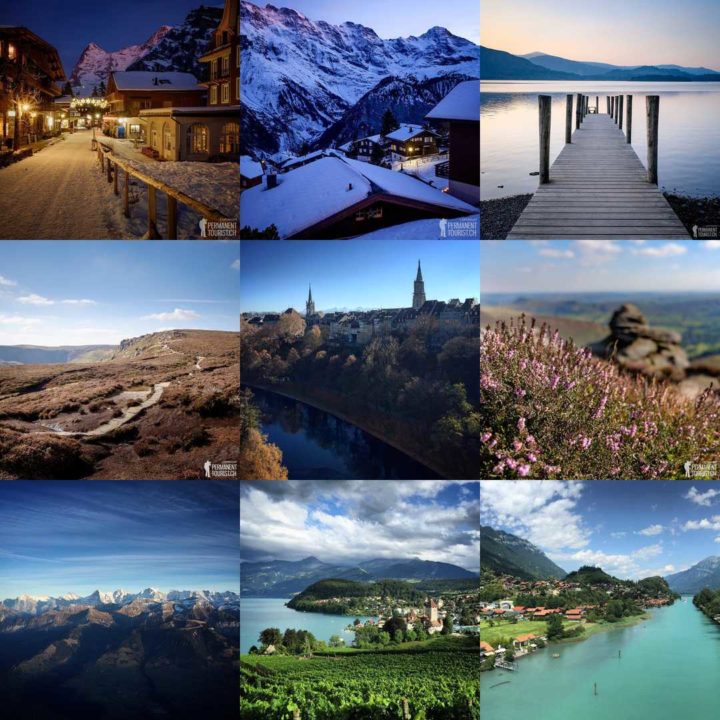
Re-booting for 2016
Published in
Better, simpler, cleaner. Online resolutions to coincide with the new year.
Rocket-powered websites
Published in
Websites get from where they live to your computer via a network of wires. They’re transferred using a technology called HTTP, which has been stuck at version 1.1 for a little more than sixteen years. All well and good: if it’s not broken, then why fix it? The reason to fix it is that since…

My First App
Published in
Experiences building my first ever phone app, using Cordova and jQuery to deliver content from a WordPress installation.